When a Car Looks Dull After Washing: What to Inspect Before Polishing
A freshly washed car can still look dull. Before paying for paint correction, distinguish ordinary surface residue from damage that requires a different form of repair.
Examine clean, dry paint in diffuse daylight and from several angles. Compare the hood, roof and doors rather than assuming all panels have the same condition. Note whether the appearance changes under different lighting. Photograph troublesome areas to explain the issue to a detailer. Do not repeatedly rub an unknown defect with aggressive products to see whether it disappears.
Ask what the inspection found
A detailer may identify contamination, fine scratches or other surface concerns. Some conditions are unsuitable for polishing and require advice from a paint repair specialist. Request an explanation of the proposed process, any limitations and which defects are expected to remain afterwards. The aim should be agreed before abrasive work begins.
Protect the remaining finish
Mention previous repairs, repainting or coatings if known. Ask the provider how they assess the condition of the finish and whether a less intensive approach is appropriate. A glossy result is not worth unnecessary removal of material from a compromised surface.
Compare results fairly
Inspect the agreed areas under similar lighting at collection. Keep the service description and care recommendations. A clearer maintenance plan can be more useful than an expensive treatment selected solely because the car did not look as shiny as expected.
For a US detailer, ask whether the quoted price covers the specific panel and assessment or is an estimate subject to inspection.
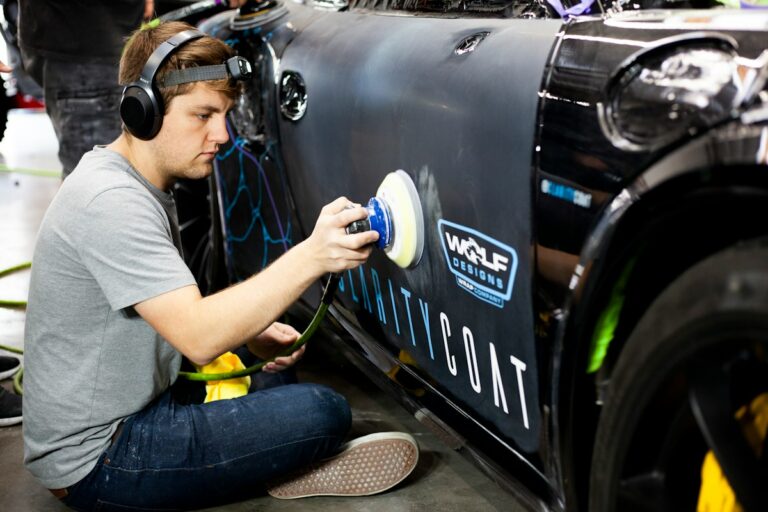
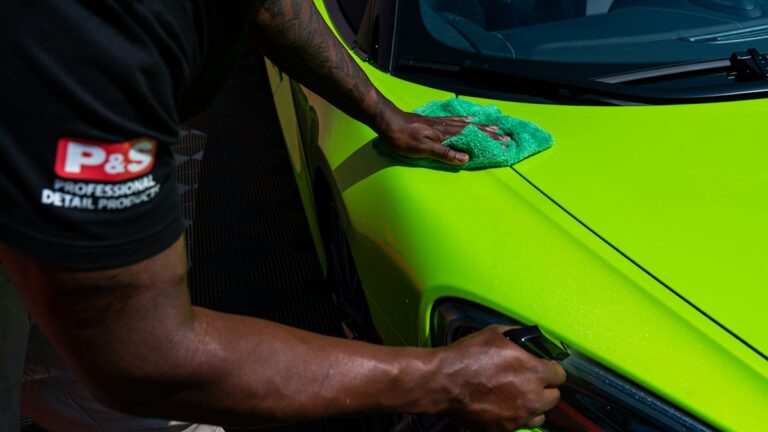
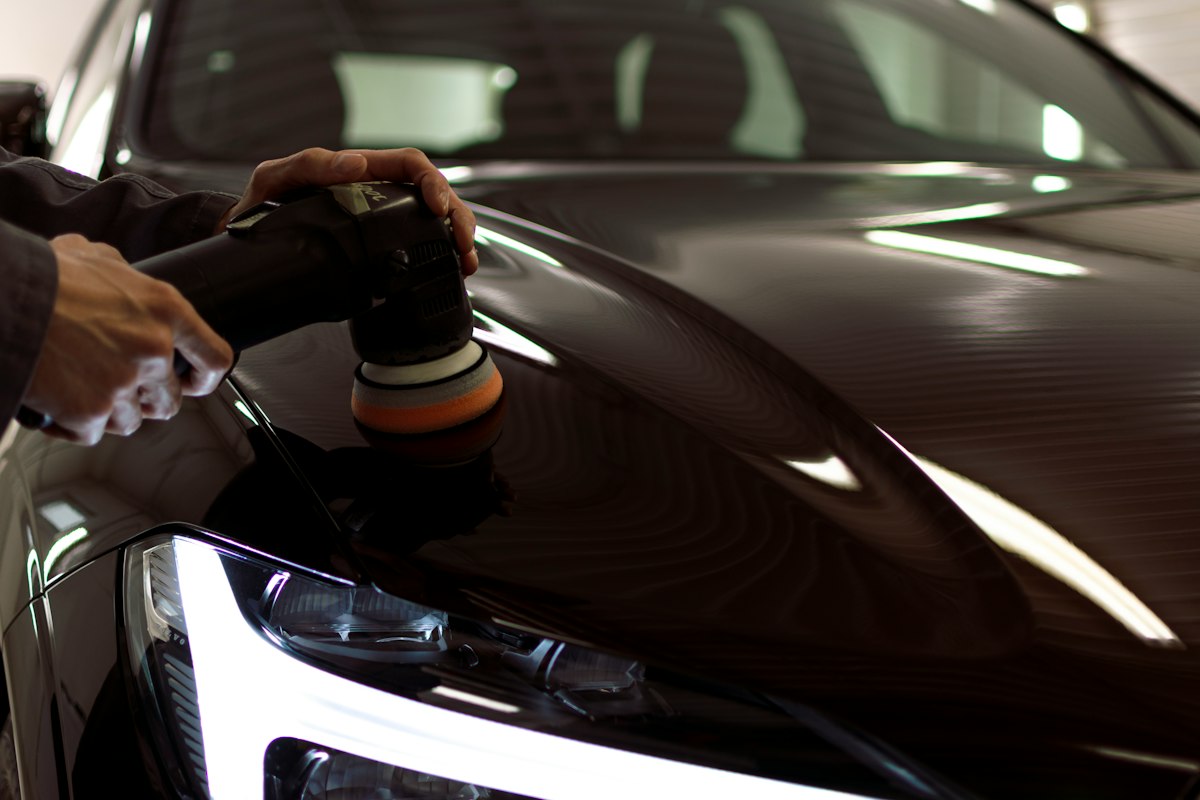
Photo: Vitali Adutskevich / Unsplash. Stock image for context; not a photograph of a project reviewed in this article.