
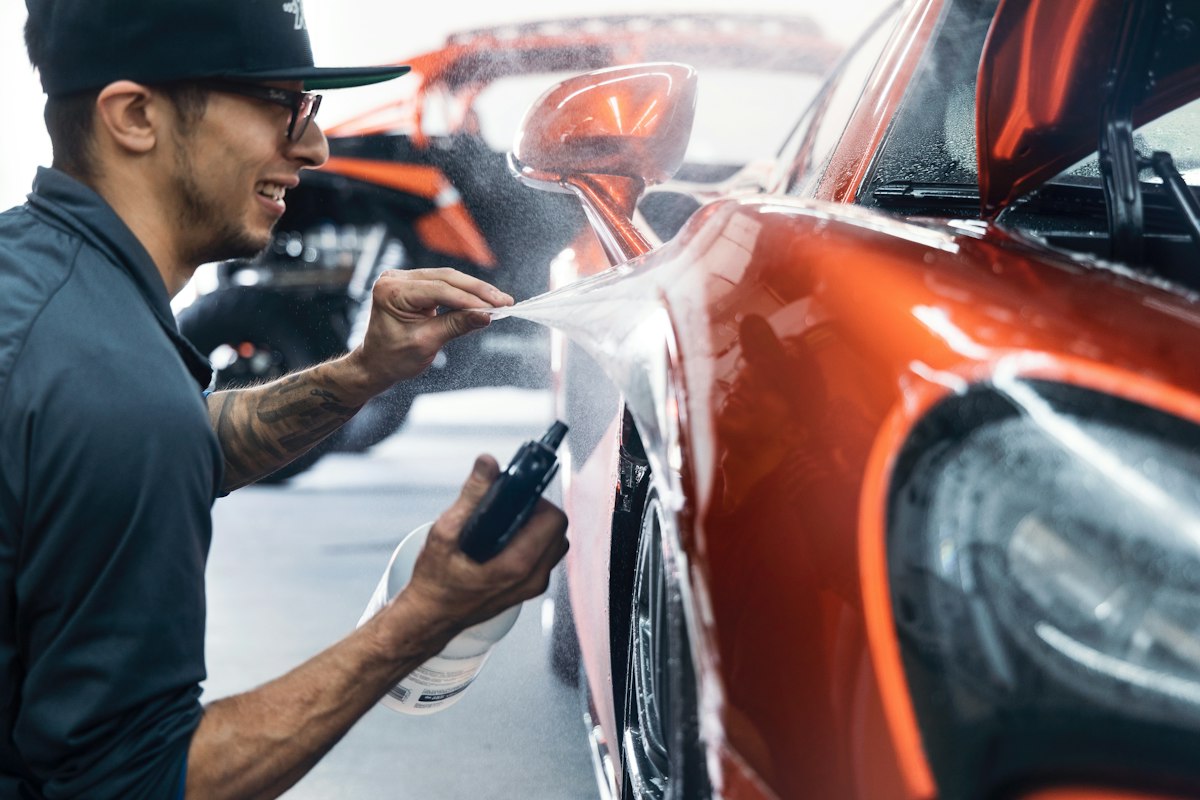
Choosing Between Partial and Full Front Paint Protection Film
Paint protection film can be installed over selected panels, but the coverage decision should reflect the way the vehicle is used and the areas most exposed to damage.
Look at the vehicle's existing chips and wear, and think about its normal routes. Frequent motorway or highway use differs from low-speed city driving. The leading surfaces of a vehicle, mirrors and other exposed areas may have different protection needs. Discuss the observations with an installer rather than ordering a package by name alone.
Request a panel-by-panel description
Ask which sections will be covered, where film edges and joins will be visible and whether trim removal is proposed. Clarify which products will be installed and whether the planned coverage is compatible with the existing finish. Mention repainting or previous film if known. Some finishes need specialist evaluation before an adhesive product is applied.
Consider the appearance and upkeep
Request a representative example of how an edge or seam looks after installation. Ask how the film should be washed, what to do if it lifts and how replacement would be handled after damage. A warranty may exclude certain forms of impact or improper maintenance; read the actual terms.
Keep the choice proportionate
Compare the cost and limitations of different coverage options against your priorities. Film cannot prevent every form of damage. Save the coverage drawing and product documentation so future repair or maintenance providers know what is fitted to the vehicle.
For a US film quote, ask for the coverage diagram and whether the bumper, mirrors and hood or hood edges are included.
Further reading
3M — Paint protection film and product care resources
Photo: David Glessner | Photographer & Director / Unsplash. Stock image for context; not a photograph of a project reviewed in this article.