Washing a Car After a Long Road Trip Without Rushing the Job
A long journey may leave a car covered in dust, bugs and road residue. Plan the wash around the type of contamination rather than immediately scrubbing the most visible marks.
Inspect the vehicle in a suitable parking area once it is safe and cool to clean. Look at the front panels, lower bodywork, glass and wheels. Check the manufacturer's guidance for surfaces such as coated paint, protective film and decorative trim. If the car has recently been repaired or treated, confirm any care restrictions with the provider.
Treat different surfaces appropriately
Use methods and products approved for the affected surfaces, allowing the recommended contact time where applicable. Avoid using excessive pressure or dry rubbing to remove stubborn material. Keep separate suitable cleaning tools for areas carrying heavy road dirt where this is appropriate to the wash routine.
Check the details afterwards
Look for remaining residue around accessible exterior edges and inspect the glass and mirrors for smears. Do not pull trim apart or disturb sensors and electrical components to clean concealed areas. Refer persistent contamination or damage to a suitable professional.
Use the trip as useful evidence
Note which areas were most affected so that you can plan future maintenance or discuss protection options. If a journey exposed the car to unusual conditions, obtain advice relevant to its finish and equipment. A patient wash is more likely to be useful than an attempt to make every surface look perfect in one hurried session.
After an Australian road trip, mention unusual dust or coastal exposure to the detailer rather than relying on a one-size-fits-all wash package.
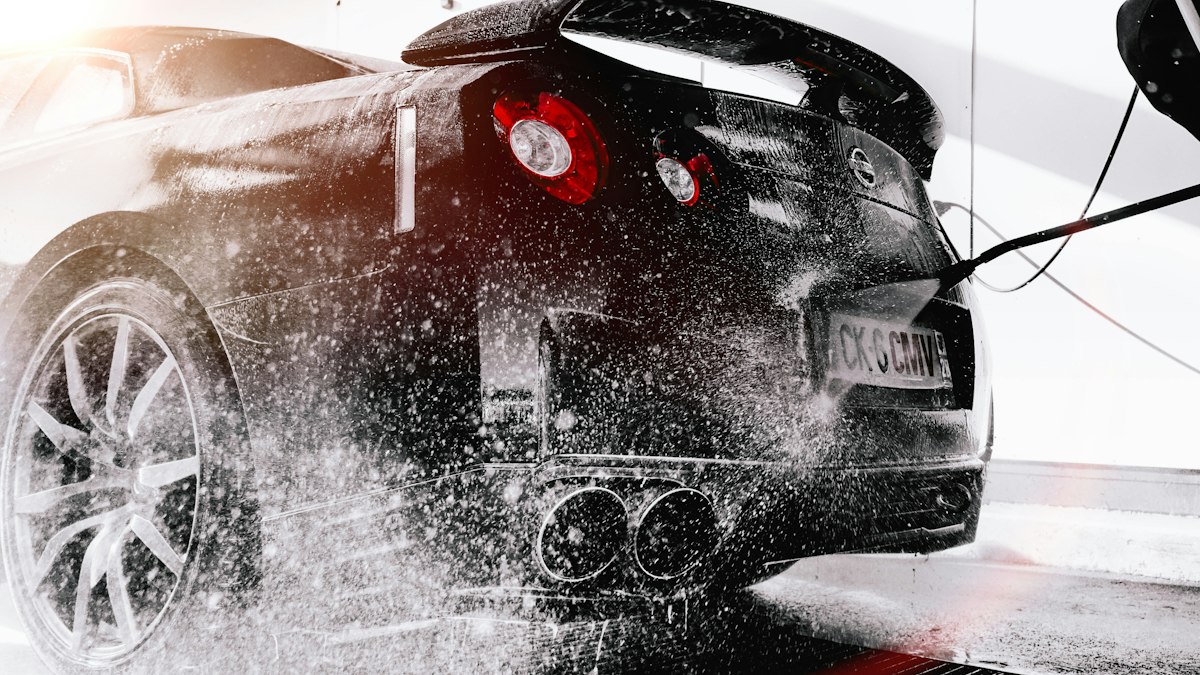
Photo: Clément M. / Unsplash. Stock image for context; not a photograph of a project reviewed in this article.